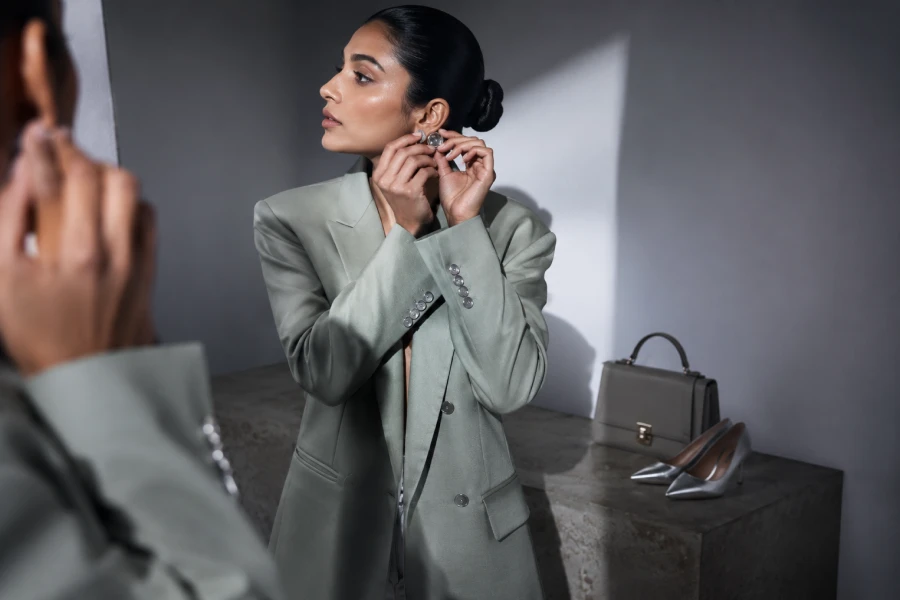
Accessory styling tips can transform an outfit long before you add more clothing to your closet. The right finishing choice gives a simple look shape, direction, and personality. It may be a necklace that changes the visual line of a neckline. It may be a bag that brings structure to softer clothes. A belt can define proportion, while shoes can shift the mood entirely. These details work best when they have a clear purpose. Instead of treating accessories as an afterthought, see them as practical styling tools. They can help you repeat favorite clothes without making those outfits feel predictable. They also make personal style easier to recognize over time. A few thoughtful choices often create a stronger impression than a crowded collection.
Before choosing a finishing piece, look at the overall scale and energy of your outfit. A relaxed silhouette may need one defined element, not several competing accents. A structured outfit might benefit from something softer or more fluid. Notice where your eye lands first and decide whether the look needs balance. This habit makes outfit finishing details much easier to select. A small earring can work when a bold bag already carries the focal point. In another look, a pendant may be more useful than statement shoes. The goal is not to make every item noticeable. It is to help the outfit feel complete and considered. Once you understand balance, accessories stop feeling like a guessing game.
Jewelry often changes an outfit because it draws attention toward the face and upper body. The neckline should guide the choice, not limit it. Open necklines often welcome a pendant or layered chain, while a high neckline may suit earrings or a cuff. Use jewelry and neckline pairing as a way to create visual breathing room. A delicate piece can add polish without interrupting the line of the clothing. A larger piece can work beautifully when the outfit itself remains simple. Do not feel obligated to wear jewelry in every category at once. One intentional element usually reads more confidently than several unrelated ones. Consider the weight, shine, and movement of each piece before adding another. Your choices should feel connected to the outfit rather than placed on top of it.
Accessories become easier to use when you begin with a small, dependable group. That group might include everyday earrings, a versatile watch, a belt, a practical bag, and footwear that feels polished. These accessory wardrobe essentials can serve as the base for many different looks. They should work with your most-worn colors and match the level of formality in your life. Build slowly so you can notice which pieces become true favorites. A large collection does not guarantee better styling choices. In fact, too many options can make getting dressed more complicated. Reliable foundations make experimentation feel safer because the basics already work. You can then add something more expressive when the outfit calls for it. A useful collection grows around what you actually wear, not around abstract fashion rules.
Some of the most effective styling decisions happen through objects you already carry or wear often. A bag, shoe, or belt can give loose clothing a sense of shape and direction. These pieces do more than complete an outfit; they influence how it moves through the day. Think about bags shoes and belts as functional anchors rather than decorative extras. A structured tote can sharpen a soft knit and wide-leg trousers. Clean sneakers can make a tailored look feel more modern and relaxed. A belt can change the proportion of a dress, cardigan, or oversized shirt. The strongest choices support your comfort while adding a clear visual point. That combination makes an outfit feel effortless instead of overly arranged. Good accessories help your clothes work harder without creating more work for you.
Fashion advice becomes more useful when it helps you notice your own preferences. Perhaps you always reach for silver, tactile materials, oversized sunglasses, or small sculptural shapes. Those patterns are valuable because they reveal the beginnings of a personal signature. You do not need to copy every trend to look current or polished. Instead, choose the details that make you feel more present in your clothes. Keep a visual note of outfits that felt especially natural. Over time, you will see recurring choices in proportion, color, and finish. That repetition is not a limitation; it is a source of recognizability. Personal style grows through repeated decisions that feel honest. Accessories become meaningful when they reinforce those decisions.
The final step in styling should feel like editing, not adding for the sake of adding. Look in the mirror and identify whether the outfit needs one more element or one less. Removing an extra piece can often make the remaining details feel more intentional. Give visual space to the accessory that best supports the outfit’s mood. A refined look may need only an earring and a good bag. A more playful look may call for color through shoes or a scarf. The answer changes according to the clothes, occasion, and your energy. That flexibility keeps styling from becoming formulaic. With practice, you will see the role each accessory can play. The result is an outfit that looks finished because every choice has a reason.

Leave a comment