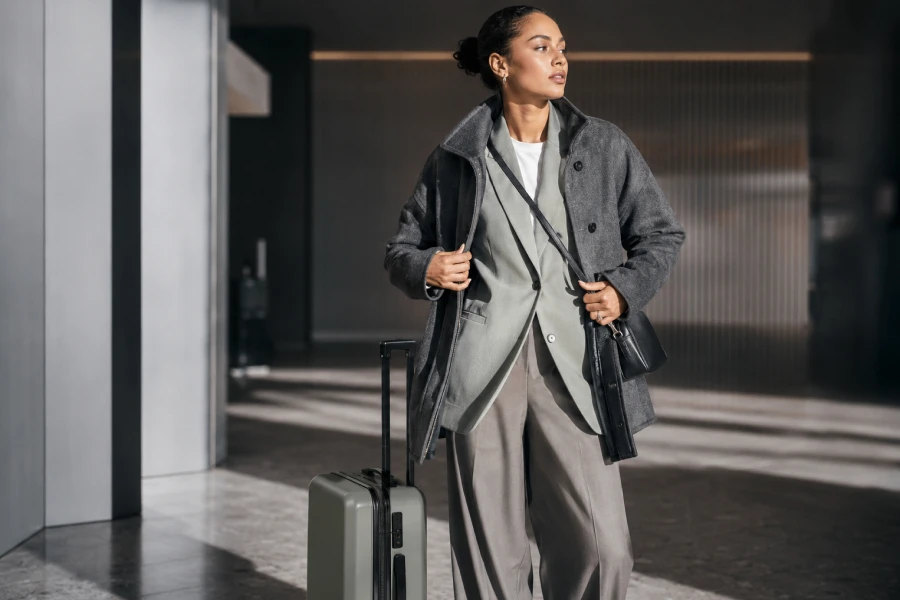
Travel capsule wardrobe planning works best when it considers real conditions instead of idealized vacation images. Cities can involve long walks, changing temperatures, unexpected rain, and invitations that appear after your plans shift. Your clothing needs to respond to all of that without filling an entire suitcase. A small set of compatible pieces can give you far more ease than a larger collection of random options. The goal is not to look identical in every photo. It is to build a wardrobe that feels practical, coherent, and true to your style. Repetition becomes easier when each piece has different partners. Layers and accessories can change the energy of familiar clothes. Thoughtful packing also gives you more room to move. That freedom is one of the best reasons to create a focused travel wardrobe.
Your itinerary should shape the wardrobe more than a generic packing list ever could. Think about how often you will walk, use public transit, carry a bag, or sit for long periods. These details influence footwear, fabrics, bag choices, and the number of layers you need. Begin with pieces that are comfortable during transit but still feel presentable after arrival. This approach creates extended travel style that works beyond one carefully planned outing. A relaxed trouser, practical shoe, and lightweight layer may become more valuable than a delicate piece that only suits dinner. Let the daily rhythm of the trip guide your final choices. The most useful wardrobe supports movement without making you feel underdressed. It should make you feel ready for the day rather than cautious about every activity. That confidence is especially valuable when plans change quickly.
Each item in a small suitcase should handle more than one situation whenever possible. A shirt can work alone, open over a tank, tucked into trousers, or layered under knitwear. A dress can become a daytime staple, evening option, or extra layer under a jacket. This is the practical strength of versatile travel basics. They offer range without demanding much attention. Look for pieces that feel right in at least three combinations before packing them. Avoid bringing clothing that only works with one specific shoe or weather condition. The easier the pieces are to recombine, the less likely you are to feel stuck during the trip. These choices also simplify laundry because every item remains in regular rotation. A wardrobe becomes powerful when its parts support one another.
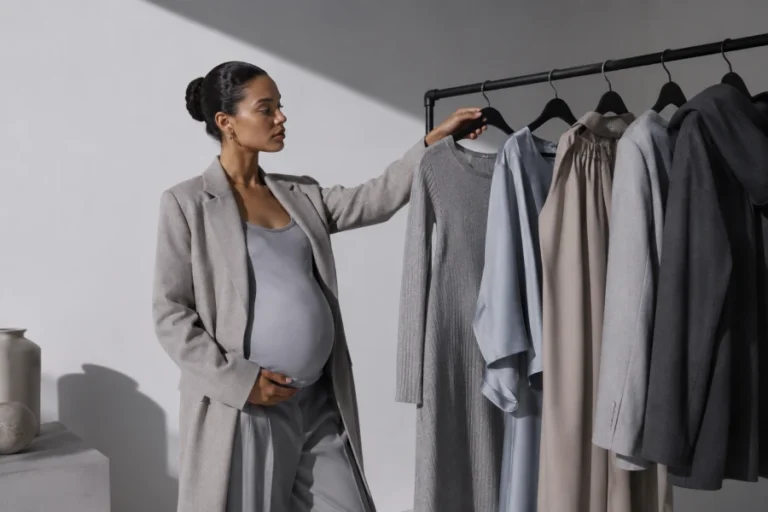
Weather changes often create more packing stress than destination changes. A cooler morning can become a warm afternoon, while an evening may require an extra layer unexpectedly. Instead of packing several bulky options, focus on a few pieces that layer easily. A fine knit, overshirt, light jacket, or scarf can create several levels of warmth. Choose outer layers that work with most of your color palette. That way they do not become isolated pieces that only suit one outfit. Pay attention to what can fit beneath the layer as well as over it. This prevents the common problem of carrying a jacket that technically fits but feels awkward. Flexible layering is one of the simplest ways to make a small wardrobe work in more conditions. It also helps every outfit feel intentional instead of purely practical.
Long trips can make small decisions feel heavier than they do at home. A closet full of options may be exciting, but a suitcase needs clarity. Build a few dependable combinations before you leave and keep them easy to remember. Think of them as a flexible lightweight packing system, not a list of strict uniforms. One formula may involve trousers, a knit, and sneakers. Another may use a dress, flat shoe, and outer layer. Add different accessories or layers when you want to change the feeling. These small shifts create variety without making the morning more complicated. A prepared wardrobe gives you more energy for the experiences ahead. That is especially useful when you are navigating a new city or schedule.
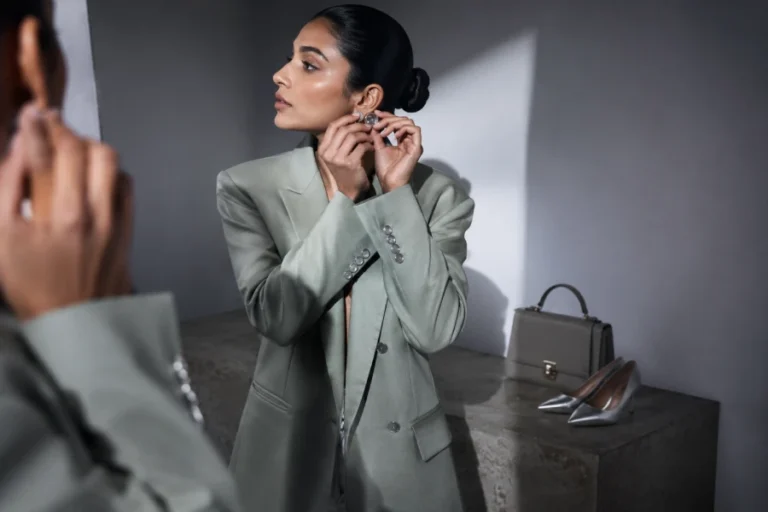
Travel often exposes the difference between clothes that look good in theory and clothes that feel good in real life. The pieces you reach for at home are usually the best starting point. They have already proven their comfort, fit, and usefulness. Do not leave favorites behind simply because they seem too ordinary for a trip. Ordinary pieces often become the foundation for your best travel outfits. Add a few special details if you want the wardrobe to feel more elevated. A scarf, earring, interesting shoe, or textured bag can create that change easily. The key is to build on comfort rather than trying to replace it. You will enjoy the trip more when your clothing feels familiar and reliable. A suitcase should hold your best options, not your biggest experiments.
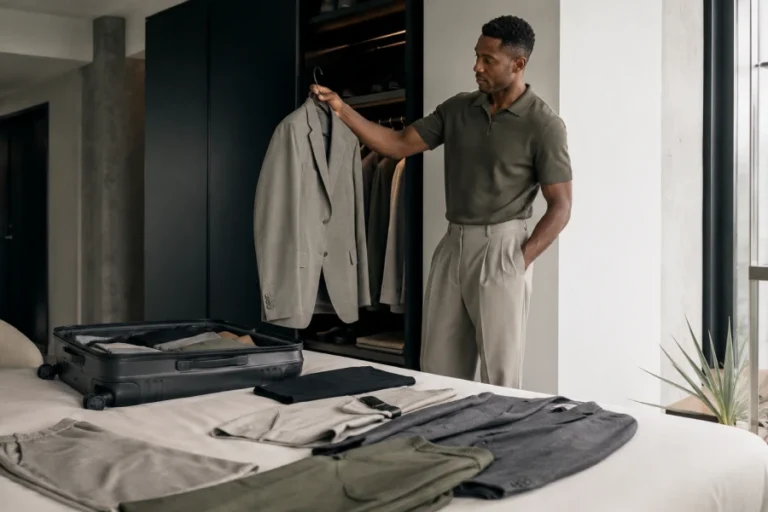
Before closing the suitcase, review every item through the lens of wearability. Ask whether it works with multiple pieces, suits the destination, and feels good enough for a long day. Remove anything that needs a special occasion you have not actually planned. Keep the pieces that make several outfits easier. This editing stage is where the wardrobe becomes lighter without becoming less useful. It also creates room for a small unexpected purchase or a change in weather. A travel capsule is successful when nothing feels like a burden. Every piece should support the journey in some way. That is how a compact suitcase can still offer plenty of style. You travel better when the clothes around you feel simple, adaptable, and fully yours.

Leave a comment