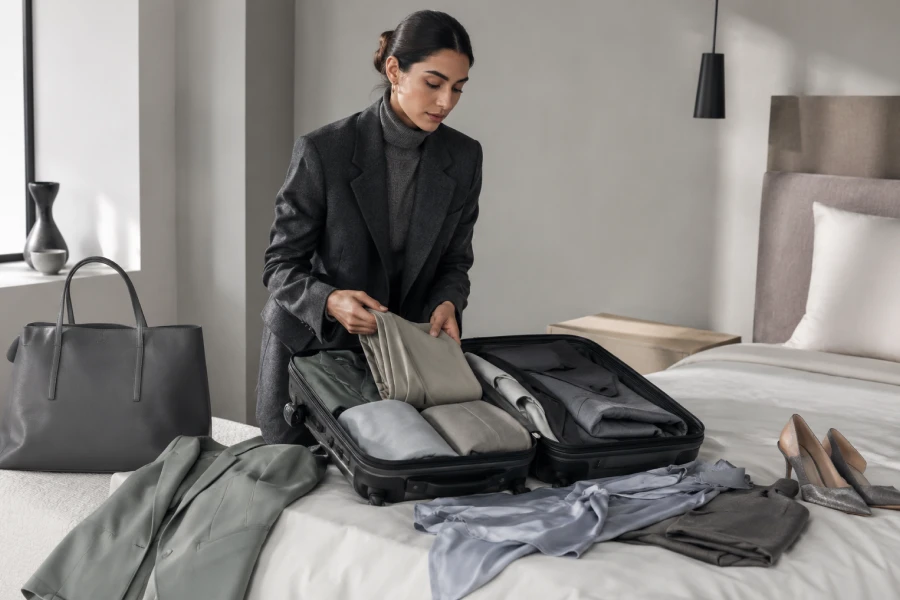
Capsule wardrobe for a month long trip planning begins with one useful question: what will you genuinely want to wear again? Long travel days make fantasy outfits less appealing than dependable pieces that feel comfortable, adaptable, and easy to combine. A lighter suitcase also gives you more freedom to move between stations, airports, hotels, and unfamiliar streets. That freedom does not require dressing in the same outfit every day. It comes from choosing items that create several different looks together. The best travel wardrobe balances weather, activities, laundry access, and personal style. It also leaves room for a few pieces that make the trip feel memorable. Smart packing is not about deprivation. It is about removing unnecessary decisions before they become travel stress. A useful capsule lets you feel prepared without carrying your entire closet.
Begin by mapping the kinds of days your trip is likely to include. City walks, dinners, work sessions, outdoor plans, and transit days may all require slightly different clothing. Instead of packing an outfit for every possible moment, identify overlapping needs. A lightweight trouser can work for sightseeing, casual dinners, and travel days with different shoes. A simple dress can layer under knitwear or stand alone in warmer weather. This is where month long trip outfits become easier to plan. Choose pieces that can shift from one setting to another with minor adjustments. That flexibility reduces the pressure to pack backups for every scenario. It also gives you more visual variety than a suitcase full of one-purpose clothing. Your packing list becomes more useful because every item connects to several plans.
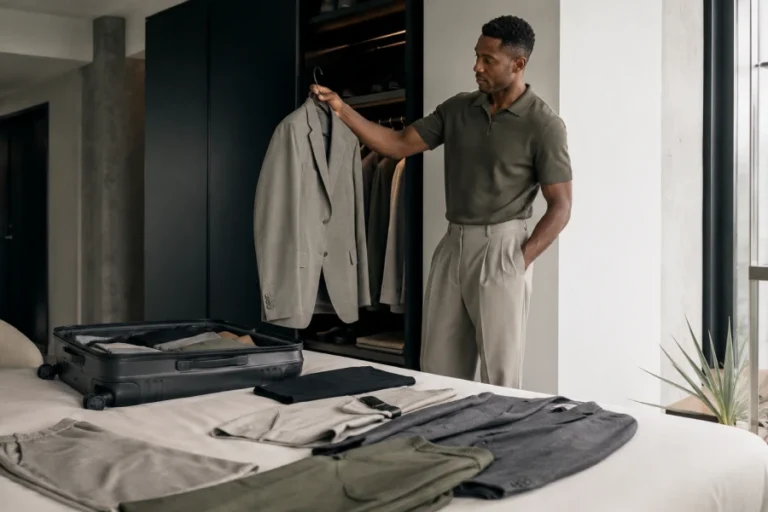
The most valuable travel pieces can be worn in several ways without feeling repetitive. Look for fabrics that travel well, resist wrinkles reasonably, and feel comfortable across long days. Neutral foundations make mixing easier, while a few colors or textures keep the wardrobe personal. Your smart travel wardrobe might include one layer for warmth, one polished top, one casual top, adaptable bottoms, and reliable footwear. The exact mix depends on climate and routine, not a universal formula. Test combinations before leaving home so you know which pieces work together. Photograph the strongest looks if that makes packing decisions simpler. This preparation prevents you from bringing items that seem promising but never get worn. A versatile capsule earns its space by making daily dressing feel almost automatic. That is especially valuable when your attention belongs on the trip itself.
Many overpacked suitcases come from planning as though laundry will never be available. Even a simple sink wash, hotel laundry service, or local laundromat can extend the life of a smaller wardrobe. Choose a few fabrics that dry quickly and feel fresh after repeated wear. Pack one small item of laundry care if it makes you more confident. This approach changes the role of clothing from disposable daily outfits into a workable rotation. It also allows you to choose better-quality favorites instead of several less useful backups. Consider how quickly each item can dry and how easily it can be reworn. A travel capsule becomes far more efficient when laundry is part of the plan. You will carry less weight while maintaining more control over your options. That is a practical advantage on any longer trip.
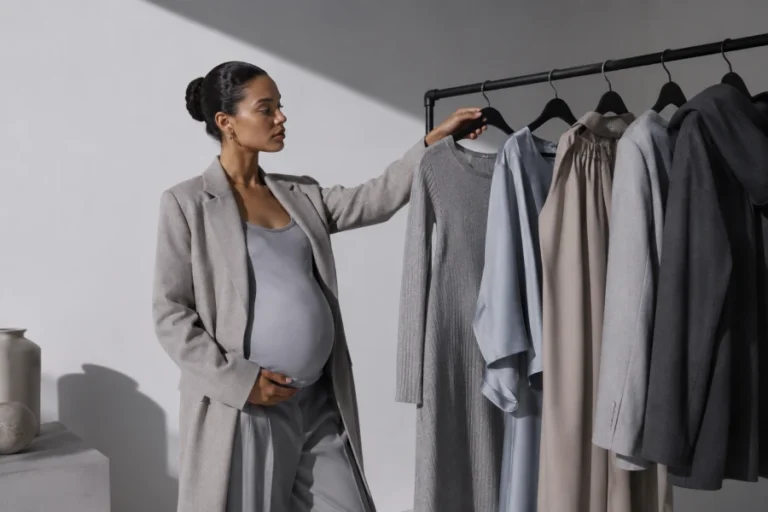
Temperature changes do not always require completely separate wardrobes. Layers can solve much of the problem when they are chosen with care. Start with breathable base pieces that work indoors and outdoors. Add a knit, overshirt, jacket, or lightweight shell according to the expected conditions. Think of multi climate travel packing as a system of adjustable combinations rather than extra outfits. One dress can work with bare legs in warmth and with tights and knitwear in cooler weather. Trousers can travel across climates when paired with different tops and layers. The goal is to have pieces that respond to the weather without taking over the suitcase. Check your outer layers especially carefully because they often determine whether the rest of the capsule works. A thoughtful layering plan makes changing temperatures much less intimidating.
Shoes can quickly become the heaviest and least flexible part of any suitcase. Limit your selection by asking what each pair can realistically cover. A comfortable walking shoe may also work for casual dinners with the right outfit. One more refined pair can handle evenings, meetings, or special occasions. Consider climate, terrain, and how much walking your itinerary includes before packing anything delicate. Test shoes with your planned outfits rather than judging them in isolation. Comfort should be part of the decision from the start. A beautiful pair that hurts after thirty minutes is not useful travel style. Keep the footwear mix simple enough that each pair earns repeated wear. Your suitcase will feel lighter, and your days will feel easier.
A well-planned suitcase does more than save space. It saves attention when you wake up in a new place, adapt to weather, or move through a busy itinerary. Fewer items mean fewer choices, but the right items still give you range. Keep your most dependable combinations at the front of your mind. Use accessories, layers, and small styling changes to refresh repeat pieces. You do not need a different outfit for every photo or every neighborhood. You need clothes that help you enjoy both. A lighter wardrobe makes transitions smoother because every item has a reason to be there. That confidence is worth far more than an extra bag. Travel becomes easier when your clothing supports the experience rather than competing with it.

Leave a comment