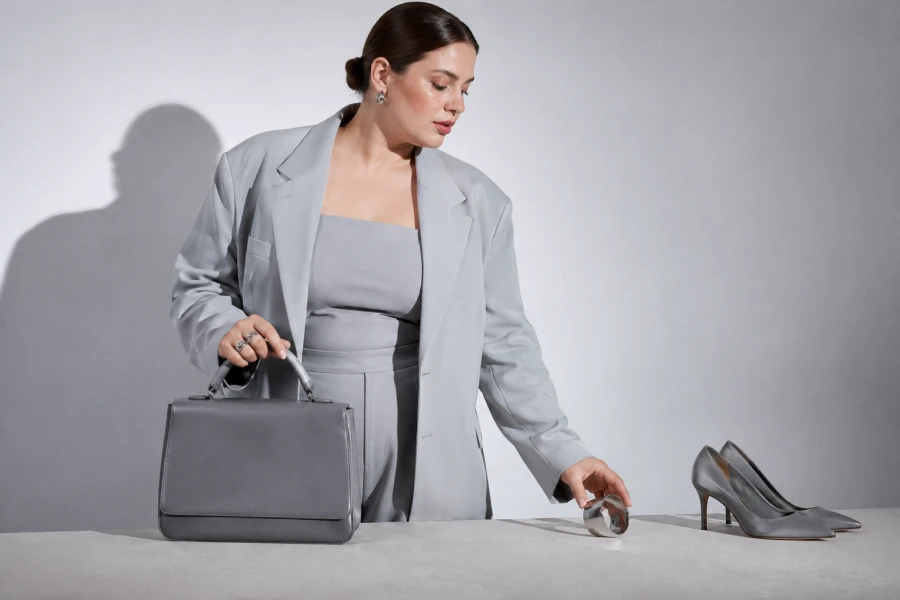
How to style accessories becomes much simpler when you stop treating every outfit as a blank canvas. Most looks already have a direction before you reach for jewelry, shoes, or a bag. Your job is to notice that direction and support it. A tailored outfit may need softness, while a relaxed outfit may need a little structure. A colorful outfit can feel more balanced with restrained finishing pieces. A neutral look may welcome one expressive accent. The best choices clarify what is already working. They should not make getting dressed feel like a complicated performance. Styling becomes easier when you focus on the role an accessory can play. That shift turns a crowded decision into one thoughtful adjustment.
Every outfit benefits from a clear focal point, even when the overall effect feels understated. Decide what you want people to notice first when they see the look. It might be a strong shoe, a beautiful neckline, an interesting bag, or an unexpected earring. Once that decision is made, the other elements can support rather than compete. This is where modern accessory styling becomes more deliberate. A bold focal point often needs quieter companions in a similar color family or finish. A minimal outfit can handle a stronger statement because there is more visual space. Try removing one piece whenever the look starts to feel busy. Editing creates confidence because it shows that every detail was chosen on purpose. A focused outfit almost always looks more polished than one carrying too many ideas.
A dependable accessory edit can make rushed mornings feel far less stressful. Keep a small assortment of pieces that work with the colors and fabrics you wear most. Include options for different moods, but do not make every item radically different. A signature accessory edit might include one everyday metal tone, one useful bag shape, and one pair of shoes that elevates basics. You can add seasonal accents around those dependable foundations. The repeatable pieces make the outfit feel like yours even when the clothing changes. They also reduce the temptation to buy accessories that are exciting but difficult to wear. Over time, you will learn which details make you feel finished without needing much thought. That is what makes a wardrobe system sustainable. It fits your life instead of asking your life to adapt to it.
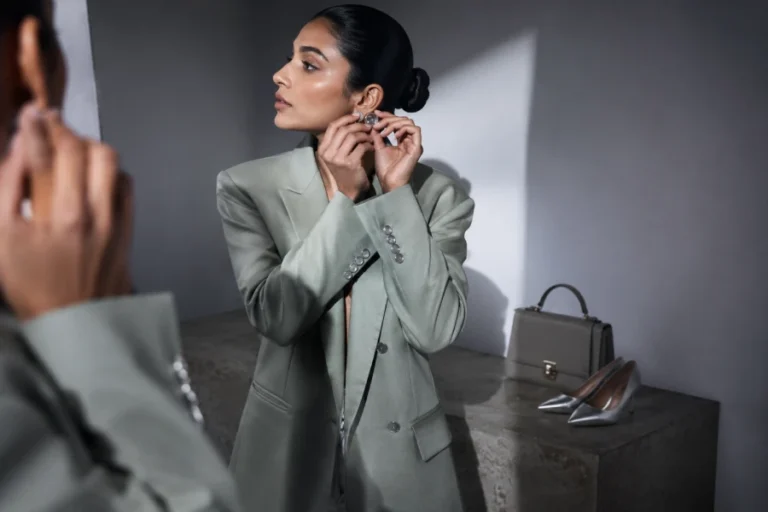
Color can create a connection between separate pieces of an outfit without looking overly matched. You might repeat one small shade from your top in a shoe, bag, or earring. A neutral accessory can also calm a look built around print or brighter color. The purpose of accessory color coordination is harmony, not exact duplication. Consider whether the colors have a similar warmth, depth, or overall intensity. A deep brown bag may sit beautifully beside olive, navy, rust, or cream. Silver can feel clean against cool colors, while warmer metals can soften earthier palettes. Do not let color rules overwhelm your instinct. A combination often works when it feels balanced in the mirror. Keep the choices that make you want to wear the outfit again.
Your styling choices should reflect the energy of the day, not just a fixed idea of polish. On a casual day, small hoops, a practical tote, and comfortable shoes may be all you need. For a meeting, a more structured bag or a refined watch can create a sharper impression. Evening plans may call for texture, shine, or a more dramatic silhouette. The same clothing can feel completely different with a few thoughtful adjustments. This flexibility is useful because it allows favorites to move across settings. You do not need a separate wardrobe for every kind of plan. Instead, use accessories to change the level of formality. The strongest finishing details are adaptable enough to travel with you. They make clothes feel responsive to your life.
Style confidence rarely comes from choosing something completely new every day. It grows when you understand which details consistently make you feel polished and comfortable. Notice the pieces you instinctively reach for before important plans. Those choices often reveal your most useful accessory language. Maybe you prefer a sculptural earring over a necklace, or a statement shoe over a bold bag. Give yourself permission to repeat those choices often. Repetition creates a recognizable personal rhythm. It also helps others see the consistency in your style without making every outfit identical. Your accessories become part of how you express yourself. That is more valuable than owning a different finishing piece for every occasion.
The most difficult accessory decision is sometimes the final one you choose not to make. Look at the outfit after adding your first two or three pieces. Ask whether another element would bring balance or simply create more noise. A strong bag, patterned shoe, and striking earring may each be beautiful alone. Together, they might compete for the same attention. Let one detail carry the energy while the rest create support. This approach keeps even expressive styling from looking accidental. It also allows individual pieces to feel more special when you wear them. The goal is not restraint for its own sake. It is clarity, ease, and a finished feeling that does not overwhelm you.

Leave a comment