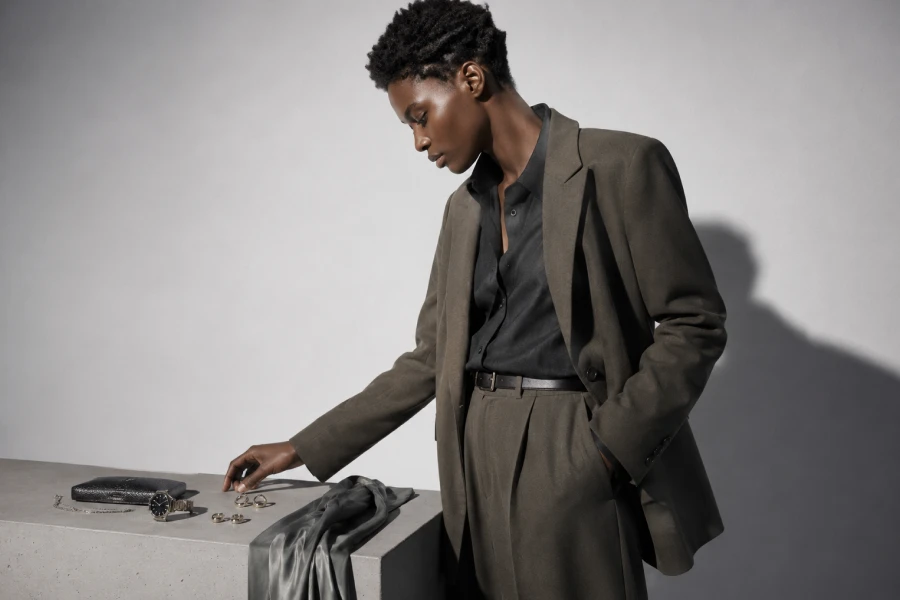
Personal accessory style is not about owning a large collection or following every seasonal trend. It is the visual language you build through repeated choices that feel natural to you. Perhaps you tend toward delicate metal, soft leather, color accents, or one unusual detail. Those preferences are worth noticing because they make outfits feel more recognizable over time. Accessories can show personality even when the clothing itself remains simple. They give you a way to change mood without rebuilding an entire look. A useful collection should feel flexible, not precious or difficult to wear. The best pieces work with your existing wardrobe and with your actual routine. They also help you feel prepared for different settings. A personal approach makes styling faster because the choices already feel familiar.
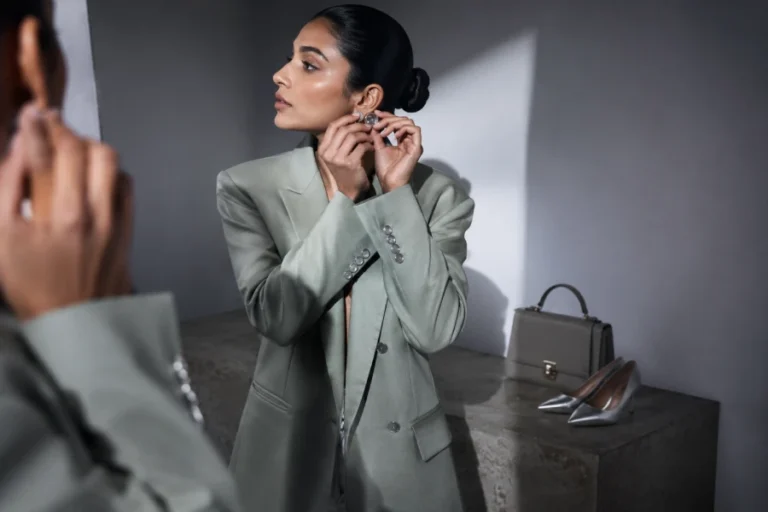
The accessories you wear repeatedly can teach you more than the pieces you save for special occasions. Notice what you put on without hesitation before leaving home. These choices may reveal your preferred balance of practicality, shine, color, and structure. Build your collection around everyday jewelry choices that make you feel polished without feeling overdressed. A small stack of rings, a watch, or reliable earrings can become part of your daily rhythm. Keep these favorites accessible so they are easy to use. Then add a few alternatives for days when you want a different energy. This creates variety without making every morning feel like a complex styling exercise. Your most-used pieces become a strong foundation for the rest of your collection. They are valuable because they already fit your real life.
Texture and shape can communicate as much personality as color or sparkle. A woven bag feels different from smooth leather, just as a sculptural earring feels different from a classic hoop. Pay attention to the forms that make you look twice when shopping or browsing inspiration. That attraction often points toward an aesthetic you can develop further. A few scarf styling ideas can also reveal how much movement and softness you enjoy in an outfit. Try a scarf at the neck, in the hair, around a bag handle, or tied at the waist. Each approach changes the line of familiar clothes. These small experiments help you understand what feels expressive without requiring major wardrobe changes. Style becomes clearer when you observe your reactions honestly. Choose the shapes and textures that make you feel most like yourself.
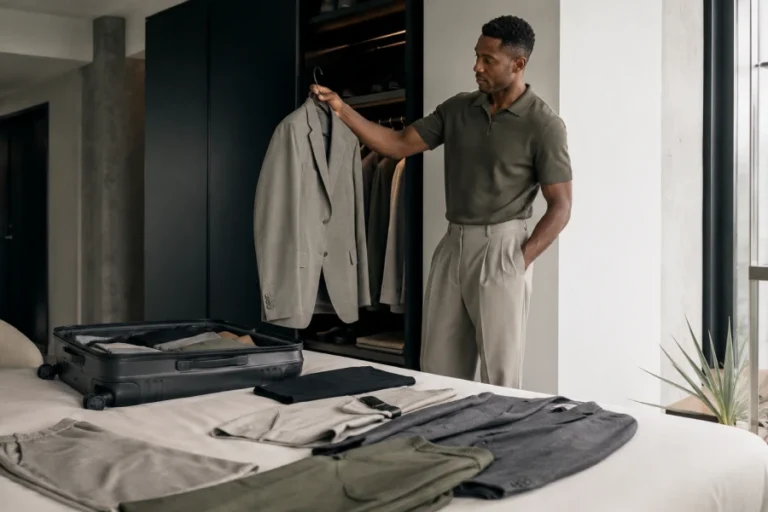
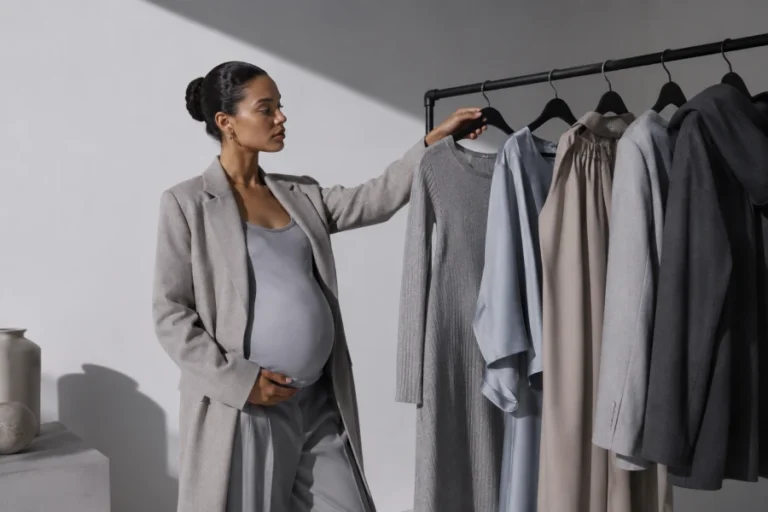
Basic clothing gives accessories room to do more of the visual work. A white shirt, simple knit, dark denim, or black dress can shift dramatically with thoughtful finishing pieces. The goal is not to make basics look complicated. It is to give them a distinct point of view. A polished outfit formula might rely on clean shoes, one memorable piece of jewelry, and a bag with structure. Another could use a soft scarf and relaxed footwear for a more creative mood. The clothing stays familiar while the accessories set the tone. This makes your wardrobe feel larger because the same pieces can take on different roles. You also become less dependent on buying new clothes whenever your style feels stale. A strong finishing strategy gives old favorites new life.
Inspiration is helpful, but copying an entire look can make accessories feel disconnected from your wardrobe. Instead, ask what attracts you to the image or outfit you saved. It may be the contrast of materials, the visual balance, or the use of color. Translate that principle using things you already own. This practice helps you develop confident style decisions that work beyond one occasion. You may realize that you like a large bag with simple clothes, not necessarily the exact bag shown. You might love the idea of a delicate necklace with a button-front shirt, not the identical necklace. This approach turns inspiration into a useful tool rather than a rigid template. It also keeps your outfits connected to your own habits and preferences. The result feels more personal because you made the choice yourself.
Your accessory preferences do not need to stay the same forever to feel authentic. A new haircut, job, routine, or creative interest may naturally shift what you want to wear. Let those changes appear through small experiments rather than complete replacement. Try a new color family, a different bag shape, or one bolder piece with familiar clothes. Keep what feels exciting and easy to wear again. Leave behind anything that only feels impressive in theory. This gradual process gives your style room to change without losing coherence. Over time, the collection will reflect several chapters of your life. That depth often makes a wardrobe feel richer than a perfectly coordinated but impersonal set. The most enduring style develops through curiosity and repetition.
Accessories should serve you in practical ways as well as visual ones. A bag needs to hold what your day requires. Shoes should let you move comfortably through your plans. Jewelry should feel wearable enough that you do not spend the day adjusting it. When usefulness and beauty meet, you are more likely to reach for the piece regularly. That regular use is what allows it to become part of your signature. You do not need to save your favorite details for rare occasions. Wear them into ordinary days and let them make those days feel more considered. A good accessory collection supports the life you already have. That is why the right pieces become meaningful long after the trend cycle changes.

Leave a comment